

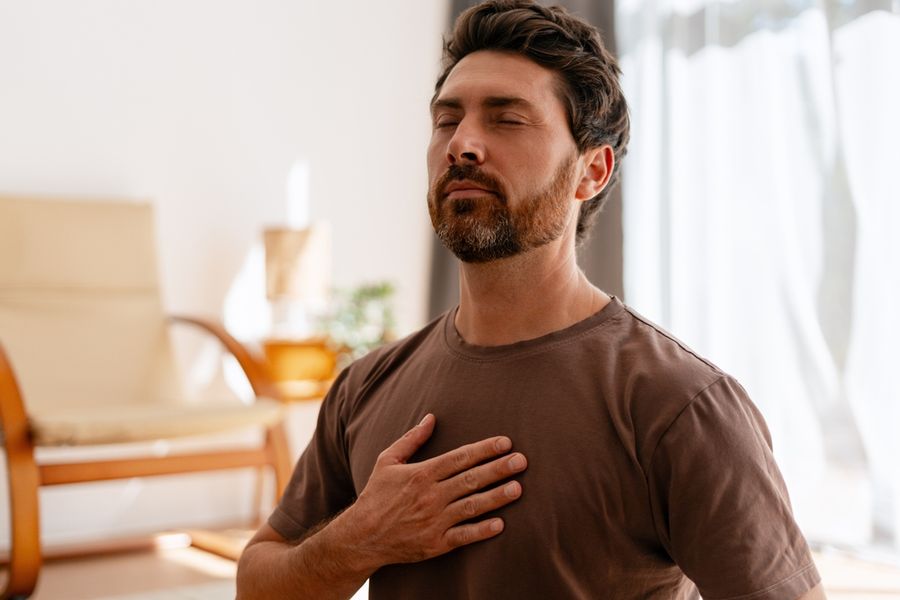
Breathing is something most people rarely think about until stress, anxiety, or a busy day makes it feel harder to slow down and relax. While breathing happens automatically, intentional breathing exercises can help create moments of calm and improve awareness of both body and mind. Many techniques require only a few minutes and can be practiced almost anywhere. Whether someone is looking to ease tension, improve focus, or simply pause during a hectic day, breathing exercises offer a simple place to start.
Deep Belly Breathing for Everyday Relaxation
Deep belly breathing, sometimes called diaphragmatic breathing, is one of the simplest techniques to learn. Instead of taking shallow breaths into the chest, the goal is to breathe deeply so the belly gently rises and falls. This approach encourages slower, fuller breaths and can help create a greater sense of calm.
To practice, sit or lie comfortably and place one hand on the chest and the other on the stomach. Breathe in slowly through the nose, allowing the stomach to expand, then exhale gently through the mouth. Many people find that a few minutes of belly breathing helps them feel more grounded. Because it's easy to learn and doesn't require any special timing patterns, it's often recommended for beginners.
Box Breathing for Focus and Balance
Box breathing is a structured breathing technique often used to promote calm and concentration. The method follows a simple pattern of equal counts, creating a steady rhythm that can help quiet a racing mind. Its name comes from the four equal sides of a box.
A common version involves inhaling for four counts, holding the breath for four counts, exhaling for four counts, and holding again for four counts before repeating the cycle. The predictable pattern encourages focus while slowing breathing down. Many people use box breathing before presentations, meetings, stressful conversations, or other situations where they want to feel more centered and in control.
The 4-7-8 Breathing Method
The 4-7-8 breathing technique is popular because of its simplicity and calming nature. The exercise involves inhaling through the nose for four counts, holding the breath for seven counts, and exhaling slowly through the mouth for eight counts. The longer exhale encourages relaxation and can help release tension.
Some people use this method before bed as part of a calming nighttime routine. Others turn to it during stressful moments when they need a quick mental reset. Like any breathing exercise, it may feel unusual at first, especially during the breath hold. With practice, many people find the rhythm easier to follow and appreciate the sense of calm it can create.
Pursed Lip Breathing for Slower, Controlled Breaths
Pursed lip breathing focuses on slowing the exhale and creating more control over breathing patterns. The technique is straightforward. Inhale slowly through the nose, then exhale through lightly pursed lips as though blowing out a candle. The exhale should take longer than the inhale.
This technique can be helpful during moments of stress because it naturally encourages slower breathing. Some people also find it useful during physical activity when they want to regulate their breathing rhythm. Since pursed lip breathing can be practiced discreetly almost anywhere, it's a convenient option for busy days, long commutes, or stressful situations that arise unexpectedly.
Alternate Nostril Breathing and Other Mindful Practices
Alternate nostril breathing is a technique often associated with yoga and mindfulness practices. It involves gently closing one nostril while inhaling through the other, then switching sides for the exhale. The process is repeated in a slow, controlled pattern that encourages focus and awareness.
Many people enjoy this technique because it combines breathing with mindfulness. Paying attention to each inhale and exhale can help shift attention away from distractions and toward the present moment. Other mindful breathing practices may involve simply counting breaths, observing the sensation of breathing, or extending the length of each exhale. The specific method matters less than taking time to slow down and breathe intentionally.
Making Time to Breathe
Breathing exercises don't require special equipment, extensive training, or large blocks of time. A few minutes of focused breathing can fit into a morning routine, a lunch break, an evening wind-down session, or any moment when life feels especially busy. The simplicity of breathing techniques is part of what makes them so accessible.
Whether someone prefers deep belly breathing, box breathing, the 4-7-8 method, pursed lip breathing, or another approach, regular practice can help build awareness and encourage relaxation. Not every technique will feel like the perfect fit, and that's okay. Exploring different methods can help people discover what feels most comfortable and useful for their individual needs.