

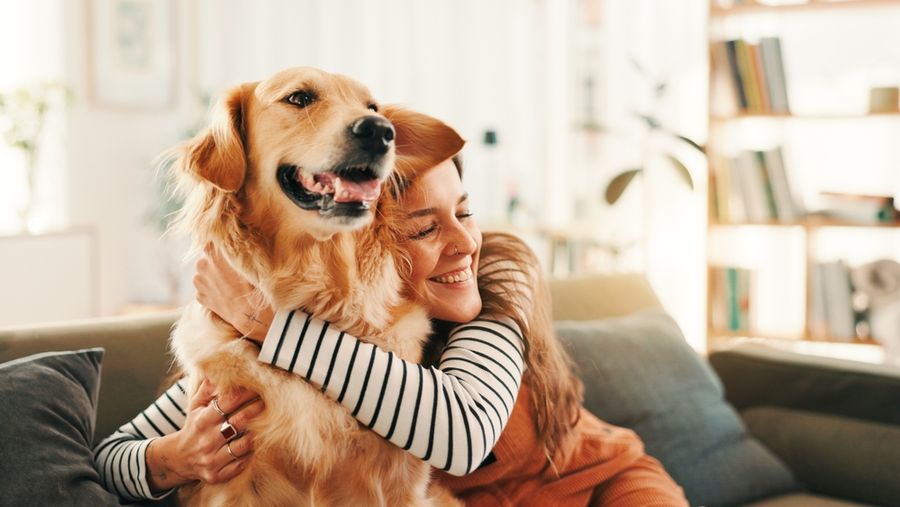
Moving to a new home is a major life change, and pets often feel the disruption just as much as their owners. Unfamiliar sights, sounds, smells, and routines can leave even confident animals feeling uncertain. Some pets adapt quickly, while others need extra time and reassurance before they feel comfortable in their new surroundings. Patience, consistency, and a little preparation can go a long way toward helping dogs and cats settle in, reduce stress, and feel secure as they begin a new chapter with their families.
Create a Safe and Familiar Space
One of the best ways to help a pet adjust is by creating a quiet area filled with familiar items. Favorite beds, blankets, toys, scratching posts, crates, or food bowls can provide comfort during a time when everything else feels different. Familiar scents often help pets feel more secure, which is why it's usually a good idea to avoid washing bedding right before a move.
Setting up a designated room can also help reduce overwhelm. Instead of giving a pet immediate access to an entire unfamiliar house, allow them to settle into one comfortable area first. This approach can help prevent anxiety while providing a safe retreat when the activity of unpacking and moving furniture becomes stressful.
Stick to a Consistent Routine
Pets thrive on predictability. Feeding times, walks, play sessions, and bedtime routines help create a sense of stability even when their environment has changed. Returning to familiar schedules as quickly as possible can help reassure pets that while the location may be different, the important parts of daily life remain the same.
Consistency is especially important during the first few weeks. Sudden changes to meal times, exercise schedules, or sleeping arrangements can add additional stress. Keeping routines as close as possible to what a pet already knows may help them feel more relaxed and confident. Even a few extra minutes of one-on-one attention each day can provide valuable reassurance during the transition period.
Allow Exploration at Their Own Pace
Every pet adjusts differently. Some dogs may want to investigate every room immediately, while others prefer to stay close to their owners. Cats are often more cautious and may spend time hiding before they feel comfortable enough to explore. Giving pets the freedom to adjust at their own pace can help build confidence without creating unnecessary stress.
For dogs, slow introductions to different parts of the home and yard can be beneficial. Cats often do best when allowed to explore one room at a time before gaining access to additional spaces. Accompanying pets during early exploration helps provide reassurance while allowing them to become familiar with new smells, sounds, and surroundings in a way that feels safe.
Make the New Environment Engaging
A stimulating environment can help pets focus on positive experiences rather than uncertainty. Interactive toys, puzzle feeders, treat-dispensing games, and play sessions provide mental enrichment while encouraging curiosity. Activities that engage natural instincts can be particularly helpful for reducing stress and preventing boredom.
For cats, climbing structures, window perches, and scratching posts can encourage exploration and confidence. Dogs often benefit from walks around the neighborhood, enrichment toys, and opportunities to investigate new scents. Offering enjoyable activities throughout the day can help shift attention away from anxiety and create positive associations with the new home.
Introduce New Experiences Gradually
A move often comes with many additional changes, including new neighbors, visitors, pets, and routines. While it may be tempting to introduce everything at once, gradual exposure is often more successful. Allowing pets to settle into their new environment before adding too many new experiences can help prevent them from feeling overwhelmed.
If there are other pets in the household, introductions should be handled carefully and at a comfortable pace. The same approach applies to visitors and unfamiliar surroundings. Patience is important because some pets need days to adjust, while others may need several weeks or even months. Slow, positive experiences often help build trust and confidence more effectively than rushing the process.
Turning a New House Into a Home
Most pets eventually adjust to a new environment, but the timeline can vary from one animal to another. Some may settle in within a few days, while others need additional reassurance before they feel completely comfortable. Providing familiar comforts, maintaining routines, and offering plenty of patience can help make the transition smoother for everyone involved.
A new home represents a significant change, but it also creates opportunities for fresh experiences and new memories. With support from their owners and a consistent sense of security, many pets learn to embrace their surroundings and develop confidence in their new space. A little understanding during the adjustment period can make a lasting difference in helping them feel right at home.